
Divorce is a serious decision for anyone. It means the end of a significant chapter of life.. For many people it is emotional and legal. In India, divorce laws are created by personal laws that reflect religion — Hindu Marriage Act, Muslim Personal law, Christian Marriage Act, etc.
Importantly, regardless of the religion you follow, as a divorcee you need to know about the divorce process and the necessary legalities that would help you go through the divorce process smoothly and hassle-free.
If you are considering filing for a divorce in India, this guide has all the information you will need focussing also on the legal procedure and your eligibility for divorce.
Types of Divorce in India
You should be aware of what type of divorce you will be dealing with prior to filing. Generally, there are two main types of divorce in India:
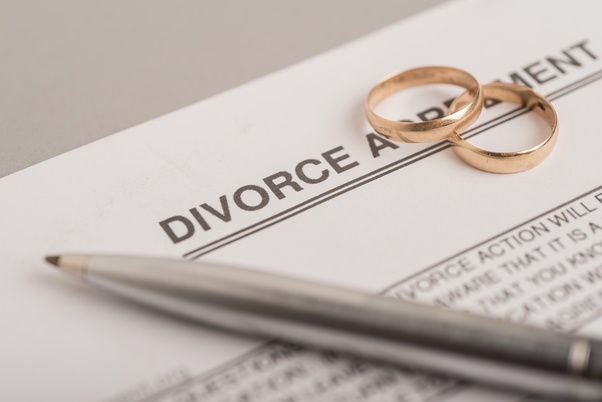
Mutual Consent Divorce
A situation when both parties agree to leave, and they agree with each other on the divorce being amicable.
Key Conditions:
- They mutually agree to separate,
- They lived separately for one year (at least) prior to filing;
- They agree on custody, property splits, and monetary support.
It is quicker and less stressful and typically takes 6-18 months to finalize.
Contested Divorce
A contested divorce occurs when one spouse files for divorce without the consent or agreement of the other spouse.
Examples of possible reasons for the contested divorce would be:
- Cruelty (whether mental or physical)
- Adultery
- Desertion for two or more years
- Conversion to another religion
- Mental disorder
- Sexually transmitted disease
- Renunciation of the world (becoming a monk/nun)
- Presumption of death (if a spouse has not been heard from for seven years)
You can see that this is a very complicated type of divorce, it, in fact, could take years because of the need for evidence, court hearings, etc.
Legal Requirements Before Filing for Divorce
Prior to filing for divorce in India, it is essential to ensure you meet the minimum legal requirements
Marriage Validity:
Your marriage must have been legally solemnized according to the applicable marriage laws.
Time Requirement:
Couples need to be married for a minimum of one year before they can file for divorce. For a mutual divorce, both spouses must have been living separately and apart for a minimum of one year.
Grounds for Divorce:
You need to have justifiable grounds for divorce, particularly if you intend to contest the divorce.
Jurisdiction:
The divorce petition can be filed where:
- A divorce petition may be filed in the court where
- The parties last lived together
- The marriage took placeEither spouse resides.
Step-by-Step Process to File for Divorce in India
The procedure depends on whether the divorce is mutual or contested. Below is a detailed breakdown:
A. Mutual Consent Divorce Process
This is the easiest and quickest way to end a marriage. The process looks like this:
Step 1: Draft a Joint Petition
The parties will jointly file a petition confirming:
- They have lived separate and apart for at least one year;
- They are unable to live together; and
- They have mutually agreed to dissolve the marriage.
Step 2: File in Family Court
- The petition will be filed in the family court for the appropriate jurisdiction.
- Additional materials (marriage certificate, proof of separation, photos, etc.) will need to be attached to the petition.
Step 3: First Motion
- Both parties will need to appear in family court.
- There will be a record of the parties’ comments made in court and the judge will review the file.
Step 4: Cooling-off Period
- The parties will be afforded a six-month waiting period, so that the couple can rethink their decision to divorce.
- If the parties demonstrate that there is no chance of reconciliation, the judge could potentially waive the waiting period.
Step 5: Second Motion and Final Hearing
- After the cooling-off period, both parties will again appear in family court.
- If the judge is happy that the separation was genuine, he/she will grant a decree of divorce.
B. Contested Divorce Process
A contested divorce will take longer and has many steps:
Step 1: Hire a Divorce Lawyer
Because the process is complicated, having a lawyer is important.
Step 2: File the Petition
The spouse requesting the divorce will file a petition outlining sufficient grounds for divorce.
Step 3: Notice to Other Party
The court sends a notice to the other spouse inquiring if they will join the contest.
Step 4: Statement and Evidence
The parties outline their arguments and provide their statements and evidence.
Step 5: Counseling and Mediation
The court will attempt to counsel or mediate the parties if possible.
Step 6: Court Hearings
If mediation or counseling is not effective, the case will go to trial by a number of hearings.
Step 7: Final Decree
The court will eventually make its ruling on the divorce dependent on the collected evidence.
Timeframe: Can take 2–5 years or more, depending on the complexity of the case.
Documents Required for Filing Divorce
If you have the correct documents ready, the process will be smoother. These documents are commonly required:
- Marriage certificate
- Address proof for both spouses
- Passport-sized photographs
- Proof of a year of living separately (mutually filed divorce)
- Income tax returns
- Details of property or assets
- Proof of allegations (in contested divorce, such as medical records, messages, or witnesses)
Tips for a Smooth Divorce Process
If you can, use mutual divorce:
You will reduce the cost, time and impact on your emotional health.
Hire a good lawyer:
A lawyer provides the legal guidance and ensures proper documentation.
Avoid being combative and only focus on the steps you have to take:
Remember that contending with each other, only delays the process.
Plan Child Custody & Finances Early:
A little bit of planning helps to prevent future disagreements.
Keep everything for your records and future proofs:
Keep all communications whether text, email, and receipts and bills for possible evidence if you end up in contested divorce.
Final Words
If you are filing for divorce in India, you will go through a few steps and much legal work. Knowing the procedure, whether you have a mutual consent divorce or contested divorce will inform your choices and actions.
It may not be an easy emotional process, but following the legal process with a reliable attorney will make the experience as easy as possible. The bottom line is to separate your lives from each other as clearly and peacefully as possible.
Contact Advocate Singh to get trusted legal advice and a peaceful solution.